From Food Waste To Local Impact: How A Christchurch Hotel Is Closing The Loop
A small sustainability initiative at Scenic Hotel Cotswold is giving food waste a second life. Through a partnership with Hungry Worms, the hotel is diverting organic waste from landfill and supporting a local circular system, having already diverted 123.6kg of food waste in its first month and avoiding an estimated 309kg of greenhouse gas emissions.
The food scraps collected from the hotel are processed by Hungry Worms into worm castings and liquid fertiliser, which are sold under the Uncle Bob’s Premium All-Purpose Plant Food brand helping turn waste into a useful gardening resource.
What Is The Hungry Worms Initiative At Scenic Hotel Cotswold?
While guests often notice the leafy surroundings, generous spaces and easy access to the city’s attractions, one of the hotel’s most interesting stories is happening behind the scenes.
At Scenic Hotel Cotswold, food scraps and organic waste are no longer treated as rubbish. Since May 2026, the hotel has been working with Hungry Worms, a New Zealand business that collects organic waste and processes it into worm castings and leachate (liquid fertiliser).
It’s a practical idea with a local focus. Instead of sending food scraps to landfill, the material is collected by Hungry Worms and transformed into products sold under the Uncle Bob’s Premium All-Purpose Plant Food brand. This creates additional value from material that would otherwise be treated as waste.
For a city known for its gardens, green spaces and ongoing regeneration, it feels like a natural fit.
How Is Food Waste Being Turned Into A Local Resource?
Food waste is often one of the least visible parts of a hotel’s environmental footprint. When it goes to landfill, it can contribute to greenhouse gas emissions. Through the Hungry Worms programme, Scenic Hotel Cotswold is giving that waste a different outcome, collecting and redirecting it into a local regenerative system where it can become a valuable resource rather than rubbish.
The impact is simple but meaningful: less waste sent to landfill, fewer emissions, and food scraps transformed into worm castings and liquid fertiliser that can be used in home gardens and growing projects. For Christchurch, a city known for its gardens, green spaces and community spirit, the initiative feels especially relevant. Rather than seeing food scraps as the end of the story, Hungry Worms gives them a second life through products that help support soil health and plant growth.
It is a reminder that sustainability is not always about doing more. Sometimes, it is simply about making better use of what already exists.
How Much Environmental Impact Has The Programme Delivered So Far?
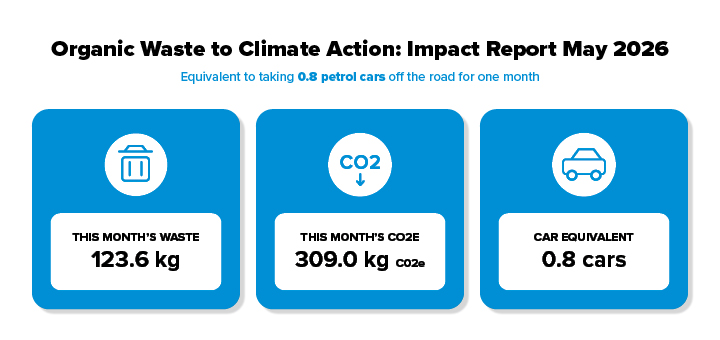
One of the strengths of the Hungry Worms programme is that its results can be tracked and reported clearly. In May 2026, Scenic Hotel Cotswold diverted 123.6kg of organic waste from landfill through three collections. That helped avoid an estimated 309kg CO₂e in greenhouse gas emissions, which is equivalent to taking around 0.8 average petrol cars off the road for one month.
While these are early results, they demonstrate how small operational changes can quickly add up when applied consistently over time.